 |
 |
 |
|||
 |
|||||
 |
 |
 |
 |
 |
 |
 |
 |
 |
|||
 |
 |
 |
 |
 |
||
 |
 |
 |
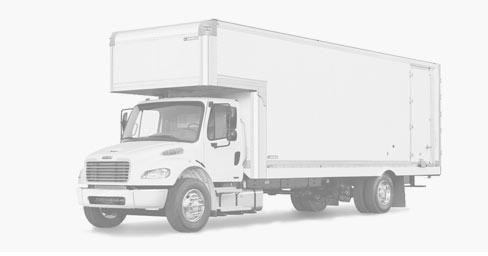 |
moving truck cost explained for smart budgetingWhat drives the priceThe number you see in a quote blends a base rate with mileage, fuel, time, and demand. Truck size shifts totals; a small van looks cheap, yet extra trips eat savings. Summer weekends and month-end spikes push rates up. One-way rentals add drop fees, while local moves tally miles and hours. Add-ons-dollies, blankets, roadside coverage-stack up, and insurance plus taxes can surprise first timers.
Pros and cons at a glanceRenting a truck can beat full-service movers, but the real total includes fuel, fees, and your time.
Smart ways to cut costsCompare quotes, reserve early, declutter, pick the right size, and return on time with a full tank to keep moving truck cost predictable. Other Topics Worth Exploring• truck rental for moving cost • moving truck cost estimator • cheapest moving truck rental one way • home depot moving truck cost • renting a moving truck cost • compare prices moving truck rentals • low cost moving truck • moving cost estimator
|
